

Here at Turps Film, we like our clients to understand every aspect of a shoot. So, today we’re diving into an essential element of video production that doesn’t always get the consideration that it needs but plays a crucial role in creating captivating visual content. We’re talking about B-roll, the secret ingredient that can transform an average video into a cinematic masterpiece. In this article, we’ll explore what B-roll is, why it is important, and how it can take your video production skills to new heights.
What is B-Roll?
B-roll is the supporting footage cut over or between a video’s main footage, the A-roll (usually an interview or presenter to camera). It covers cutaways, establishing shots, close-ups of products or processes, and people at work. Editors use it to show what’s being talked about, cover edits and keep viewers watching.
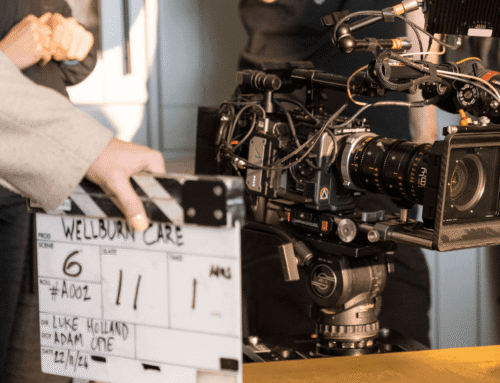
Without getting too bogged down in the history of the term…(although I’m sure some of you camera nerds out there would love to talk about how it came about during the 16mm film era). B-roll essentially refers to all of the supplemental footage that is used in video productions to enhance the main storyline. It is the *pretty bits* that accompany interview content like establishing shots, un-directed shots (capturing real life action), directed scenes/re-enactments, or even archival/stock imagery. We’ve assembled a few random snippets of shots that we would refer to as B-roll below:
A-roll vs B-roll
| A-roll | B-roll | |
|---|---|---|
| What it is | The main footage that carries the story | Supporting footage that illustrates it |
| Typical shots | Interviews, presenter to camera, the key action | Cutaways, establishing shots, close-ups, details, people at work |
| Sound | Usually the audio you hear | Often plays under the A-roll audio or music |
| Could the video work without it? | No | Technically yes, but it would be one long talking head |
Examples of B-roll shots
What B-roll looks like in a typical business video:
- Establishing shots: the outside of the building, the reception, the view across the site
- Process shots: a product moving down a production line, a tool in use, a sample being tested
- Product close-ups: macro detail of textures, labels, moving parts
- People at work: meetings, conversations, hands on a keyboard or a machine
- Details: signage, screens, uniforms, the small things that make a place recognisable
- Movement: slow pans, slider moves and gimbal walk-throughs of a space
- Aerials: drone footage of a site or location, where it’s safe and permitted
- Screen recordings: software or apps shown in use
If an interviewee says “we test every batch,” the B-roll is the batch being tested.
Why is B-Roll Important?
- Visual Appeal: It adds visual interest and variety to your video. By incorporating different angles, perspectives, and shots, B-roll keeps viewers engaged and prevents visual monotony. It helps break up long sequences and allows for smoother transitions between scenes, making the final product visually stimulating and dynamic.
- Enhancing the Narrative: It can reinforce the main storyline by providing additional context or illustrating specific details. It allows you to showcase relevant surroundings, actions, or emotions that support the primary content, resulting in a more comprehensive and immersive viewing experience. If someone is talking about how amazing their business is at customer service, then we can show that experience. If we’re talking about an incredible benefit of a product then we can show this in action whilst the speaker covers all of its key points.
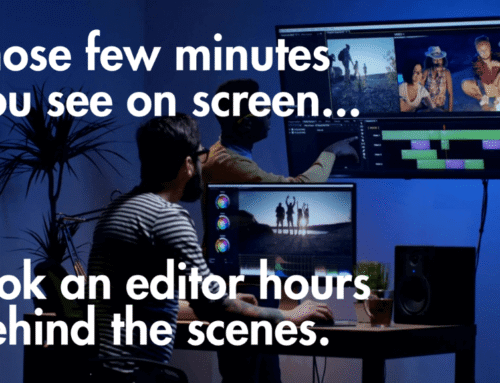
- Covering Editing Cuts: B-roll plays a critical role in masking edits and transitions during post-production. It provides flexibility to seamlessly cut between shots while maintaining a consistent flow. By strategically placing B-roll footage over cuts, you can ensure a smoother and more professional-looking final product. So your interviewee doesn’t need to remember those tricky numbers! As long as they know the gist of their content, we can do another run at the interview and cut together the best natural bits with the must-haves.
- Adding Production Value: Including high-quality B-roll elevates the overall production value of your video. It showcases your attention to detail and commitment to delivering a polished end result. By capturing aesthetically pleasing visuals or stunning scenery, B-roll contributes to a visually appealing video that captures your audience’s attention and leaves a lasting impression.
- Versatile Storytelling: B-roll is incredibly versatile and can be used creatively to tell a story. Whether it’s capturing the atmosphere of an event, showcasing the product in action, or illustrating the impact of a cause, it allows you to convey messages beyond what can be achieved through the main shots alone. It provides an opportunity to engage viewers on multiple levels and craft a compelling narrative.

Incorporating B-Roll into Your Video Production
Now that we understand the importance of B-roll, here are a few tips to help you incorporate it effectively:
Plan Ahead: During pre-production, identify key moments, locations, or actions that can benefit from additional visual coverage. Create a shot list or storyboard that outlines the main shots as well as the potential B-roll shots required. If your business is in manufacturing, you better believe that we’re going to want to film something being manufactured. Working with a production company like Turps Film, we can help you identify key scenarios that would work well in a video, but if you’re doing it on your own, just remember to show as much as you’re talking about as possible. Nobody likes 3 minute videos just focused on a single interview shot.
Need B-roll shot for your own edit, or for an agency project? We film supporting footage as part of our corporate and white-label work.
Capture Variety: Shoot a wide range including different angles, perspectives, and details. Consider using a mix of static, handheld, and gimbal shots to add diversity and depth to your video.
Seamless Integration: When editing, ensure a smooth integration of B-roll footage by aligning it with the main shots’ pacing and rhythm. Use transitions, such as fades or cuts, to seamlessly merge B-roll with the primary content.
Quality Matters: Aim for high-quality B-roll footage that matches the overall production values of your video. Use appropriate equipment, lighting, and composition techniques to capture visually appealing shots.

Unleash the B-Roll Magic – Transform Your Video Production Today!
B-roll is a powerful tool. By incorporating supplemental footage that supports and enhances your main storyline, you can captivate your audience, convey messages effectively, and elevate the overall production value of your videos. So, the next time you embark on a video project, remember the power of B-roll.
Now, grab your camera and go out there to capture the mesmerising shots that will take your video production to new heights! Or, give Turps Film a call and let us do the hard work for you! If you have any questions at all, you know where we are!
Frequently asked questions
What does B-roll mean?
B-roll means the supporting footage in a video, as opposed to A-roll, the main interview or presenter footage. It’s used to illustrate what’s being said and to cover edits.
Why is it called B-roll?
In 16mm film editing, footage was split across two reels, A and B, alternating shot by shot so dissolves could be printed and splices hidden. The name stuck long after editing went digital.
How much B-roll do you need?
More than you think. As a rough rule, plan for enough to cover most of the running time of any interview, because B-roll is what lets an editor cut an interview down.







Leave A Comment