
An explainer video is a short film, usually 60 to 120 seconds long, that explains what you do, how something works or why it matters. Animation is usually the better choice when your subject is abstract, technical, sensitive or hard to film. Live action is better when trust depends on seeing real people and real places. Plenty of the best explainers mix the two.
That’s the short answer. The longer one depends on your audience, your subject and what you’ve got to work with. Here’s how we help clients decide, with real projects from our own studio.
What is an explainer video?
An explainer has one job: to take something that would take a page of text to explain and make it make sense in about a minute. It might introduce a new product, walk customers through a service, explain a process to staff, or get a public health message across to people who’d never read a leaflet.
Most explainers share a few things: a tight script, one clear message, a voiceover or presenter guiding the viewer, and a call to action at the end. Whether the pictures are animated or filmed is a separate decision, and it’s the one most people get stuck on.
When an animated explainer is the better choice
Animation gives you complete control over everything on screen. That makes it the stronger option when:
- Your subject can’t be filmed. Software, data, finance, the inside of a machine or the inside of a body. Animation can show what a camera can’t.
- The topic is sensitive. Health, money worries or safeguarding. Characters can carry a message without asking real people to share their own stories on camera.
- You need to talk to a specific audience in their own language. Style, characters and tone can be designed around exactly who’s watching.
- The film needs to last. Animated scenes can be updated, translated or re-voiced later without a reshoot.
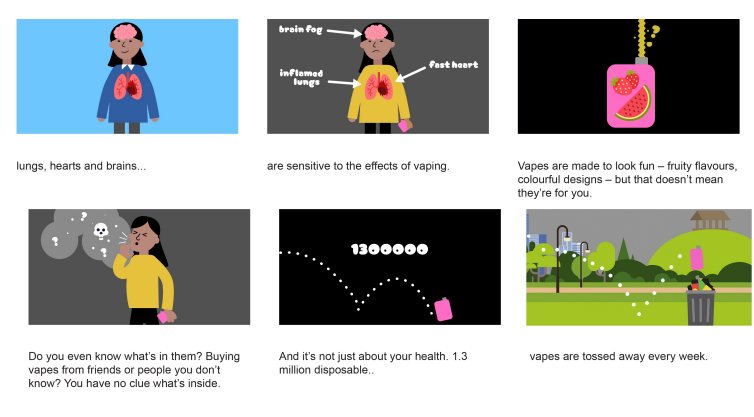
A good example is the vaping awareness animation we made for Public Health Sunderland. The audience was teenagers, and the brief was to make something short and shareable that wouldn’t feel like a lecture. So before a single frame was animated, we ran a workshop with Year 10 media students at Sandhill View Academy. They gave feedback on the character designs and script, and later recorded the voiceover themselves. Animation made that possible: the students could shape the look and sound of the film without anyone needing to appear on screen.
When live action works better
Filming real people in real places does something animation can’t: it shows the viewer who they’ll actually be dealing with. Live action is usually the better fit when:
- Trust is the main message. Financial services, care, healthcare and professional services often sell on the people behind them.
- Your product is physical. Seeing it in someone’s hands, in its real setting, is often the most convincing thing you can show.
- You need several videos from one shoot. With good planning, a single day of filming can produce a whole series.
When fintech company IE Hub needed customer-facing explainers for its free online affordability tool, the subject was sensitive: people in financial difficulty. The brief was for films that were uncomplicated, inclusive and sensitive, and the IE Hub team chose to film in an employee’s home to give them a safe, welcoming feel. We planned everything ahead (scripts, storyboards and cutaways) and filmed a brand film, two staff interviews and eight FAQ explainers in a single day.
Or use both
You don’t have to choose. Some of the most effective explainers film the real thing and then use animation for the parts a camera can’t capture.
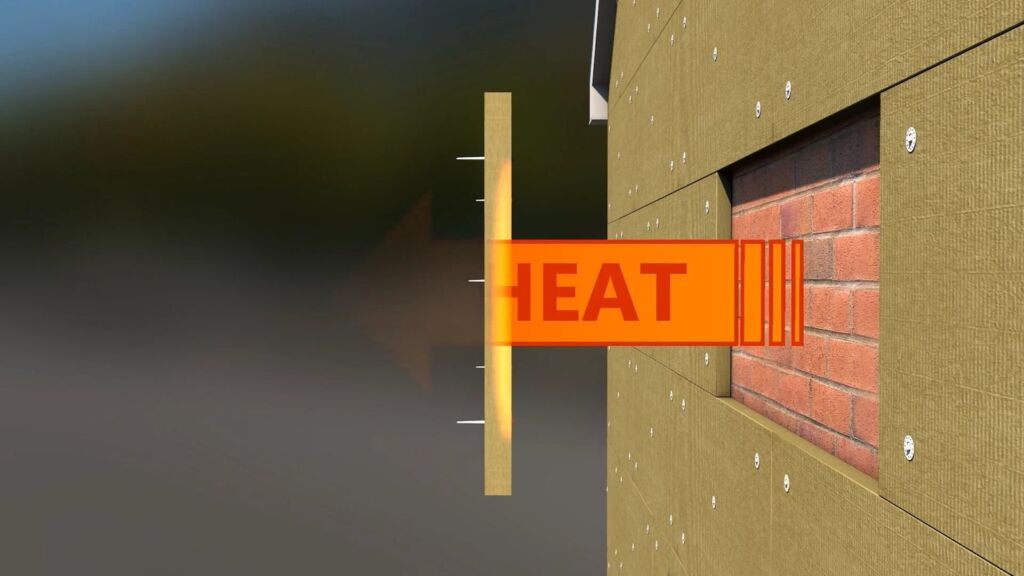
For Genesis’s STRATO launch, a 3mm tile decoupling membrane, we filmed the full installation in live action and then added 3D animation to show exactly how the product protects tiles from cracking. The live footage shows how easy it is to install; the 3D shows what’s happening under the surface. The one video was built to work as both a sales tool and an internal training resource.
Animated vs live-action explainer videos at a glance
| Animated | Live action | |
|---|---|---|
| Best for | Abstract, technical or sensitive subjects; things you can’t film | People, places, physical products, building trust |
| What you’ll need to provide | Brand guidelines, subject expertise and time to review scripts and storyboards | People willing to be filmed, a location and a filming day in the diary |
| What sets the timeline | Script, design and animation rounds | Planning and getting everyone together on the day |
| Changing it later | Relatively easy to update scenes, text or voiceover | New footage usually means a new shoot |
| What drives the cost | Length, style and level of detail (3D costs more than 2D) | Filming days, crew size, locations and the number of videos |
What about DIY tools and AI video generators?
Template tools like Canva and Powtoon, and the new wave of AI video generators, are genuinely useful for quick internal updates or social posts. If you need something rough by this afternoon, they’re a sensible place to start.
Where they struggle is anything that has to be accurate, on-brand and specific to you: a product that works differently from the template, a regulated message, or an audience who’ll switch off at the first stock character they’ve seen a hundred times before. A studio’s job is less about the software and more about the thinking: working out the one message that matters, writing it so it lands, and designing visuals that belong to your brand. We’ve written more about that in why we think a video agency still beats AI for most business films.
How much does an explainer video cost?
A short, simple live-action film, such as a single day of interviews, starts from around £3,000 + VAT. Most of our projects, often a main film with cut-downs or a small set of videos, cost £4,000–£8,000, and larger campaigns or detailed 2D/3D animation start from around £10,000. A straightforward 2D animated explainer usually costs £3,000–£6,000 + VAT.
The biggest factors are length, how many versions you need (cut-downs for social, subtitled or translated versions) and, for animation, the style and level of detail. For a full breakdown of where the money goes, see video costs explained. Every project is quoted to its brief.
Explainer video FAQs
How long should an explainer video be?
For most explainers, 60 to 90 seconds is the sweet spot: long enough to make one point properly, short enough that people watch to the end. Training and onboarding explainers can run longer because the audience has a reason to keep watching.
Is animation cheaper than live action?
Not automatically. A simple 2D animation can cost less than a multi-location shoot, but detailed character animation or 3D can cost more than a day of filming. It depends on what’s on screen, not which method you use.
Can you add subtitles or translate an explainer?
Yes. Subtitles are worth adding to almost every explainer, since a lot of people watch with the sound off. Animated explainers are especially easy to localise, because the voiceover and on-screen text can be swapped without changing the pictures.
Do I need a script before I get in touch?
No. Most clients come to us with a rough idea of what they want to explain and who it’s for. Shaping that into a script is part of the job.
Not sure which is right for you?
Tell us what you need to explain and who it’s for, and we’ll tell you honestly whether animation, live action or a mix of both will do it best. Take a look at our animated explainer video production, or get in touch for a chat.





Leave A Comment