
If you’ve ever worked on a film or video production, you’ve probably heard the term recce thrown around. But what is it, and why is it such a big deal?
A recce (short for reconnaissance, pronounced “recky”) is a visit to a filming location before the shoot. The crew check light, sound, power, access, parking and safety, and plan their shots, so problems get solved in advance, not on the day with a full crew waiting.
At Turps Film, we think of a recce as our chance to dig into the nitty-gritty, scope out potential challenges, and find creative opportunities to make the shoot as smooth as possible. Let’s break it down— what’s involved, why it’s so important, and what can go wrong if you skip it.
Location recce, tech recce and site recce: what’s the difference?
- Location recce. Deciding whether a place works. Does it look right for the film, is there space, can we get permission? Often several locations are compared at this stage.
- Technical recce (tech recce). Once the location is confirmed, the key crew (director, camera, lighting, sound) visit to plan how to film there. That means where the kit goes, what power is available, where the light falls at different times of day, and what lenses and rigs the space needs.
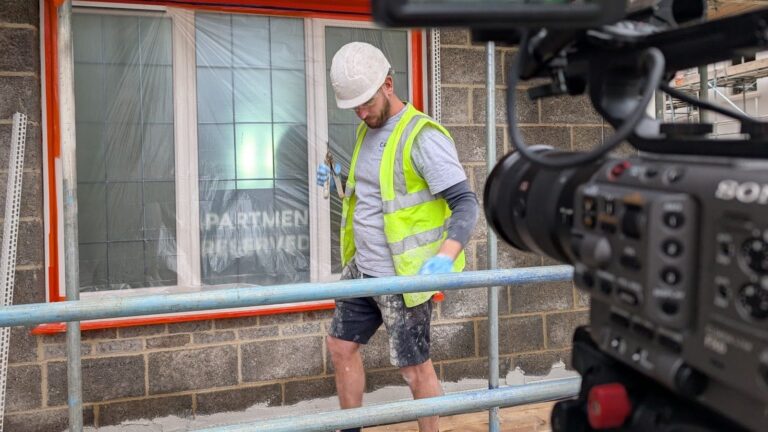
- Site recce. The term used for working sites: factories, construction sites, hospitals, care homes, schools. On top of the creative and technical checks, it covers inductions, PPE, access times, risk assessments and RAMS, and any rules about who or what can be filmed.
On smaller shoots these often happen in a single visit. On bigger or more sensitive ones, they’re separate trips.
Why Bother with a Recce?
1. Getting a Feel for the Location
A recce is the first step in bringing your creative vision to life. It’s your chance to step into the space and imagine how it’ll work for your story. Is the location visually appealing? Does it match the tone of your project? A physical visit gives you clarity that no amount of Google Images or video calls can provide.
2. Sorting Lighting and Gear
Lighting can make or break a video. During a recce, you’ll see how natural light hits the space and whether it changes throughout the day. This lets you decide what time to shoot and whether you’ll need extra lights to get the look you want. It’s also a chance to figure out what equipment to bring—do you have enough space for all the gear? Will you need a smaller camera rig or extra power sources? Getting these answers upfront makes life much easier when the cameras roll.
3. Planning Your Sound
Audio can be a sneaky troublemaker on set. A recce helps you identify background noise like traffic, planes, or even that oddly chatty neighbour next door. Knowing this in advance lets you adjust your sound recording setup or choose quieter times to film. Clean sound = happy ears.
4. Checking the Practical Stuff
A recce isn’t just about creative decisions; it’s also about logistics. Where will your crew park? Is there enough space for everyone to work comfortably? Are there nearby facilities for breaks? Sorting these practicalities before shoot day keeps everything running smoothly.
5. Safety First
Safety is always a priority. A recce helps you spot potential hazards, like uneven ground, low ceilings, or slippery surfaces, so you can address them before they become a problem. It’s all about making sure your team can focus on the creative stuff without worrying about accidents.
What’s Involved in a Recce?
- Walk the Space: We explore every corner of the location, looking for the best spots to shoot, potential challenges, and hidden gems that could elevate the visuals.
- Take Photos and Notes: Phones out, notebooks open. We document everything—angles, light sources, and any issues—so we have a reference when we’re back planning.
- Test the Tech: Whether it’s lighting rigs, drones, or specialised equipment, we make sure everything works in the space. This avoids nasty surprises on the day.
- Chat with Location Managers: If the location is a public venue or private property, we make sure to understand any rules or restrictions, from noise limits to filming times.
A location recce checklist
What we check before we commit to a location:
- Light: which way windows face, how the light changes through the day, and whether blinds or blackout are possible
- Sound: traffic, flight paths, air conditioning, lifts, neighbouring noise, and the times of day it gets worse
- Power: sockets near where we’ll set up, and whether they’re on shared circuits
- Space: room for camera, lights and crew, plus somewhere to store kit cases
- Access: parking, loading, lifts, stairs, security sign-in and access times
- Permissions: filming restrictions, people who can’t appear on camera, branding and signage to avoid
- Safety: hazards, PPE, inductions, and who holds the risk assessment on site
- Welfare: toilets, somewhere to eat, and a quiet room for interviewees to prepare
- Signal and wifi: for live links, remote client viewing or just coordinating the day
- Contacts: who’s our point of contact on the day, and their mobile number
- Photos and measurements: so the rest of the team can plan without visiting
Everything we learn on the recce goes into the call sheet.
What Happens if You Skip It?
Skipping a recce might save time in the short term, but it can lead to major headaches later. Here’s what can go wrong:
- Surprises You Didn’t Plan For: Maybe the space is smaller than it looked in pictures, or there’s construction happening nearby. Without a recce, you’re flying blind, and that’s never a good idea.
- Wasted Time and Money: Delays on set can quickly add up. If you have to pause filming to solve problems you could’ve spotted earlier, you’re burning through your budget unnecessarily.
- Compromised Quality: Your film or video might not look or sound as good as it could have because you weren’t prepared. Nobody wants a final product that feels rushed or poorly executed.
Why Recces Are Always Worth It
At Turps Film, we see recces as a chance to get ahead. They’re an opportunity to find creative solutions, plan for challenges, and ensure everyone knows exactly what to expect. Whether it’s a corporate video, a live event, or a documentary, a good recce sets the stage for a successful shoot.
So, if you’re planning a video project and want a team that values preparation as much as creativity, get in touch. We’ll take care of the recces—and everything else—to make sure your video is something you’ll be proud to share.
Frequently asked questions
How do you pronounce recce?
“Recky”. It’s short for reconnaissance and comes from military slang.
What’s the difference between a recce and a location scout?
They’re essentially the same thing. “Recce” is the usual British term; “location scouting” is the US one.
How long does a recce take?
It depends on the shoot. It can be under an hour for a single interview room, or a full day for a multi-location production with technical requirements.
Can a recce be done remotely?
Photos, video calls and floor plans help, and sometimes they’re all a small shoot needs. But nothing tells you about light, noise and access like standing in the space.