
We like clients to understand every part of a shoot, so this one’s about B-roll: the bit of video production nobody thinks about until it’s missing. Here’s what B-roll footage is, what it’s used for and how to get enough of it.
What is B-Roll?
B-roll is the supporting footage cut over or between a video’s main footage, the A-roll (usually an interview or presenter to camera). It covers cutaways, establishing shots, close-ups of products or processes, and people at work. Editors use it to show what’s being talked about, cover edits and keep viewers watching.
B-roll is the supporting footage cut over or between a video’s main footage, the A-roll (usually an interview or presenter to camera). It covers cutaways, establishing shots, close-ups of products or processes, and people at work. Editors use it to show what’s being talked about, cover edits and keep viewers watching.
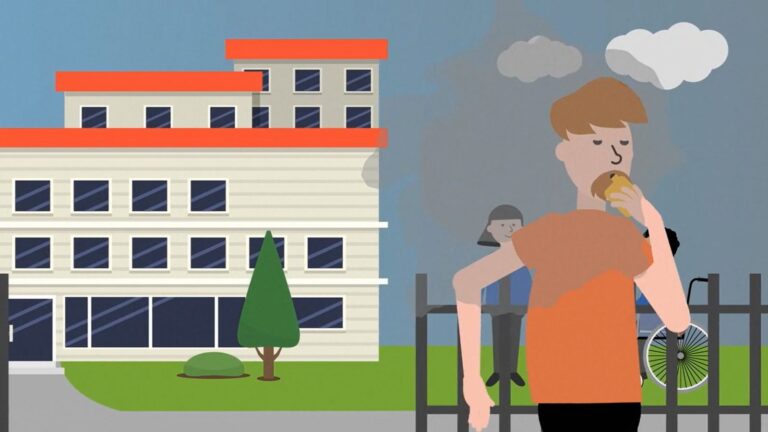
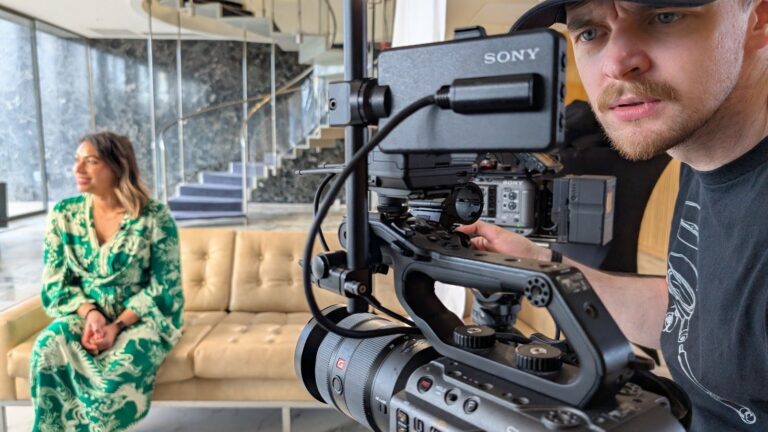
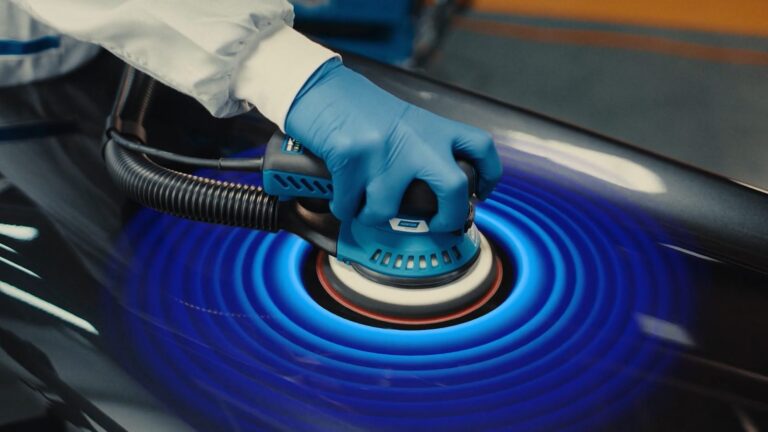
Without getting too bogged down in the history of the term…(although I’m sure some of you camera nerds out there would love to talk about how it came about during the 16mm film era). B-roll is all the footage that isn’t the interview, used to show what’s being talked about. It is the *pretty bits* that accompany interview content like establishing shots, un-directed shots (capturing real life action), directed scenes/re-enactments, or even archival/stock imagery. We’ve assembled a few random snippets of shots that we would refer to as B-roll below:
A-roll vs B-roll
| A-roll | B-roll | |
|---|---|---|
| What it is | The main footage that carries the story | Supporting footage that illustrates it |
| Typical shots | Interviews, presenter to camera, the key action | Cutaways, establishing shots, close-ups, details, people at work |
| Sound | Usually the audio you hear | Often plays under the A-roll audio or music |
| Could the video work without it? | No | Technically yes, but it would be one long talking head |
Examples of B-roll shots
What B-roll looks like in a typical business video:
- Establishing shots: the outside of the building, the reception, the view across the site
- Process shots: a product moving down a production line, a tool in use, a sample being tested
- Product close-ups: macro detail of textures, labels, moving parts
- People at work: meetings, conversations, hands on a keyboard or a machine
- Details: signage, screens, uniforms, the small things that make a place recognisable
- Movement: slow pans, slider moves and gimbal walk-throughs of a space
- Aerials: drone footage of a site or location, where it’s safe and permitted
- Screen recordings: software or apps shown in use
If an interviewee says “we test every batch,” the B-roll is the batch being tested.
Why is B-Roll Important?
- Visual Appeal: Three minutes of one person talking is hard work to watch. B-roll shots of what they’re talking about give people something to look at.
- Enhancing the Narrative: It shows what’s being said. If someone is talking about how amazing their business is at customer service, then we can show that experience. If we’re talking about an incredible benefit of a product then we can show this in action whilst the speaker covers all of its key points.
- Covering Editing Cuts: Cutting an interview down leaves jumps in the picture. Put B-roll footage over the jump and nobody sees it. So your interviewee doesn’t need to remember those tricky numbers! As long as they know the gist of their content, we can do another run at the interview and cut together the best natural bits with the must-haves.
- Adding Production Value: Good B-roll is most of what makes a film look expensive. A slider move across the factory floor or a macro shot of the product does a lot of the heavy lifting.
- Versatile Storytelling: Sometimes the B-roll footage tells the story. For Wellburn Care Homes we shot 2,361 cutaway shots across 14 homes, and what residents and staff said in their interviews decided which ones we used.

Incorporating B-Roll into Your Video Production
A few tips for getting your B-roll right if you’re shooting your own:
Plan Ahead: During pre-production, identify key moments, locations, or actions that can benefit from additional visual coverage. Create a shot list or storyboard that outlines the main shots as well as the potential B-roll shots required. If your business is in manufacturing, you better believe that we’re going to want to film something being manufactured. Working with a production company like Turps Film, we can help you identify key scenarios that would work well in a video, but if you’re doing it on your own, just remember to show as much as you’re talking about as possible. Nobody likes 3 minute videos just focused on a single interview shot.
Need B-roll shot for your own edit, or for an agency project? We film supporting footage as part of our corporate and white-label work.
Need B-roll shot for your own edit, or for an agency project? We film supporting footage as part of our corporate and white-label work.
Capture Variety: Get wides, close-ups and details of everything, and mix static, handheld and gimbal shots.
Editing it in: Cut the B-roll footage to the rhythm of the interview, and stick to straight cuts. Fancy transitions just draw attention to themselves.
Quality Matters: B-roll footage that looks worse than the interview stands out. Light it and frame it with the same care.

B-roll in a nutshell
Plan your B-roll, shoot plenty of footage and cut it to what people are saying. It’s the difference between a talking head and a film.
Want to see some? There’s plenty of B-roll in our work. Or give Turps Film a call and we’ll shoot it for you. If you have any questions at all, you know where we are!
Frequently asked questions
What does B-roll mean?
B-roll means the supporting footage in a video, as opposed to A-roll, the main interview or presenter footage. It’s used to illustrate what’s being said and to cover edits.
Why is it called B-roll?
In 16mm film editing, footage was split across two reels, A and B, alternating shot by shot so dissolves could be printed and splices hidden. The name stuck long after editing went digital.
How much B-roll do you need?
More than you think. As a rough rule, plan for enough to cover most of the running time of any interview, because B-roll is what lets an editor cut an interview down.